Increase in qualified form submissions.
Signature Case Study
Lakeshore Dental Group
Dental New-Patient Funnel Redesign
A trust-first redesign for a multi-provider dental practice that needed clearer insurance pathways, stronger provider credibility, and more qualified appointment requests.
Patient Intake UX
Insurance Clarity
Provider Trust Architecture
Appointment Flow
Lift in completion rate after flow redesign.
Reduction in repetitive pre-visit phone questions.
Qualified new-patient requests.
Higher completion from cleaner flow.
Fewer repetitive front-desk calls.

From Generic Site to Trust-Led Patient Journey
The previous site listed services but did not answer the real questions prospective patients had before booking: insurance fit, provider confidence, urgency pathway, and first-visit expectations.
- Before: unclear insurance details and weak provider trust signals.
- After: intent-led pathways, stronger authority modules, and a cleaner intake flow.
Organized by Patient Intent
Instead of listing every service equally, the new structure starts with urgent care, insurance, cosmetic goals, and first-visit guidance. This mirrors the order real patients use when deciding who to trust.
Reduced Friction Before Contact
Insurance acceptance and financing options were moved into prominent, plain-language modules. Patients now get key coverage direction before submitting forms.
Provider Proof at Decision Points
Provider profiles, certifications, years of experience, and treatment highlights are placed near appointment CTAs, reducing uncertainty for first-time visitors.
Higher-Quality Intake Data
Appointment forms were refined to capture visit reason, urgency, and insurance context so front desk teams could schedule faster with less follow-up.

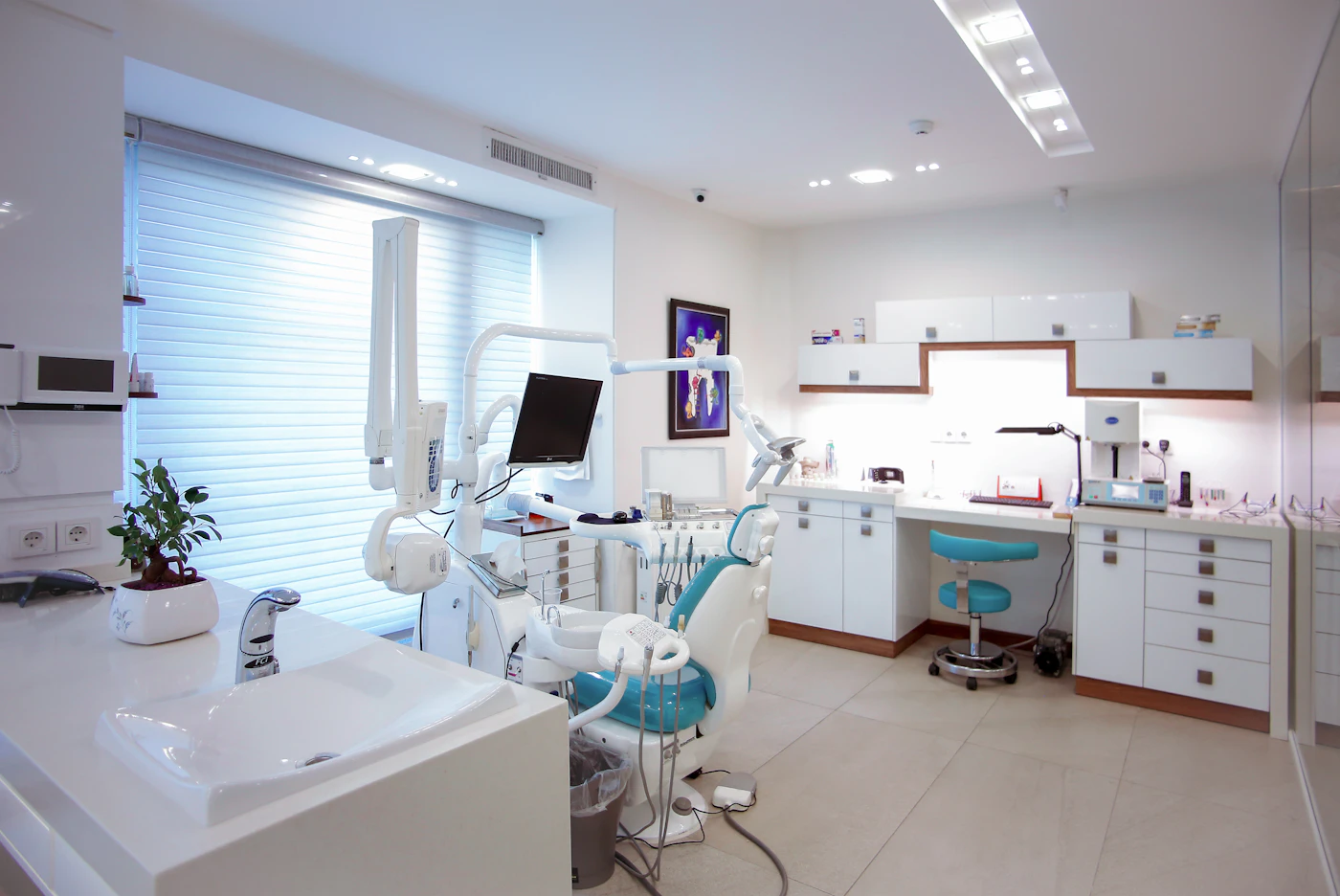

How New Patients Move Through the New Experience
Confirm Fit
Patients quickly see services, insurance options, and urgency paths relevant to their need.
Build Trust
Provider credentials and treatment proof reduce anxiety before appointment submission.
Request Visit
Simplified intake forms capture useful detail for faster scheduling and better lead quality.
Visual and UX Decisions
Readable Hierarchy
High legibility and clear section pacing to support anxious, time-sensitive healthcare decisions.
Trust Proximity
Proof elements are intentionally placed beside action controls to reduce hesitation loops.
Color Tokens
#D8AB4D
#0F1A28
#79DBD5
#F3F5F8
Trust and Clarity Gaps
Patients could not quickly verify insurance fit, provider confidence, or appointment expectations.
Intent-Led Conversion Architecture
I rebuilt page flow around urgent intent, trust proof, and a cleaner appointment capture experience.
Stability Over Noise
The interface emphasizes emotional calm, clarity, and predictable reading paths to reduce drop-off.
Better Requests, Faster Scheduling
More qualified appointment requests came through with less back-and-forth for front-desk teams.
Measured Outcomes at 6 Weeks
MetricBeforeAfterImpact
New-Patient Form Conversion3.9%5.0%+28%
Form Completion Rate41%55%+33%
Qualification CallsHighLower-22%
Execution Timeline
A focused four-phase process designed to improve trust and appointment conversion quality.
-
Patient Journey Mapping
Identified top concerns that blocked appointment form completion and trust formation.
-
Architecture and Content Prioritization
Reordered pages by intent, added insurance clarity, and structured treatment pathways.
-
Design and Conversion Build
Introduced trust modules and simplified form capture with better pre-qualification fields.
-
Launch and Intake Optimization
Refined labels and field ordering based on completion behavior to improve lead quality.